National Civil Rights Museum Op-Ed
Dr. Russ Wigginton, President
On April 29, the Supreme Court of the United States did what it has been seeking to do for over a decade. It diluted the integrity of the Voting Rights Act without technically saying so.
In a 6-3 decision written by Justice Samuel Alito in Louisiana v. Callais, the Court effectively rendered Section 2 of the VRA all but a dead letter, requiring proof of intentional racial discrimination, a standard Congress never wrote into the law, and that is nearly impossible for plaintiffs to meet. Justice Kagan’s dissent pulled no punches: “Today’s decision renders Section 2 all but a dead letter. In the States still marked by residential segregation and racially polarized voting, minority voters can now be cracked out of the electoral process.”
The ruling could touch off a scramble by Republicans to redraw majority-minority congressional districts, especially in the South, costing many seats held by Blacks and representing Blacks. One analysis found that the gerrymandering unleashed by Wednesday’s decision could lead to white candidates winning 15 House seats currently held by Black members of Congress, a level of racial retaliation not seen since the end of Reconstruction.
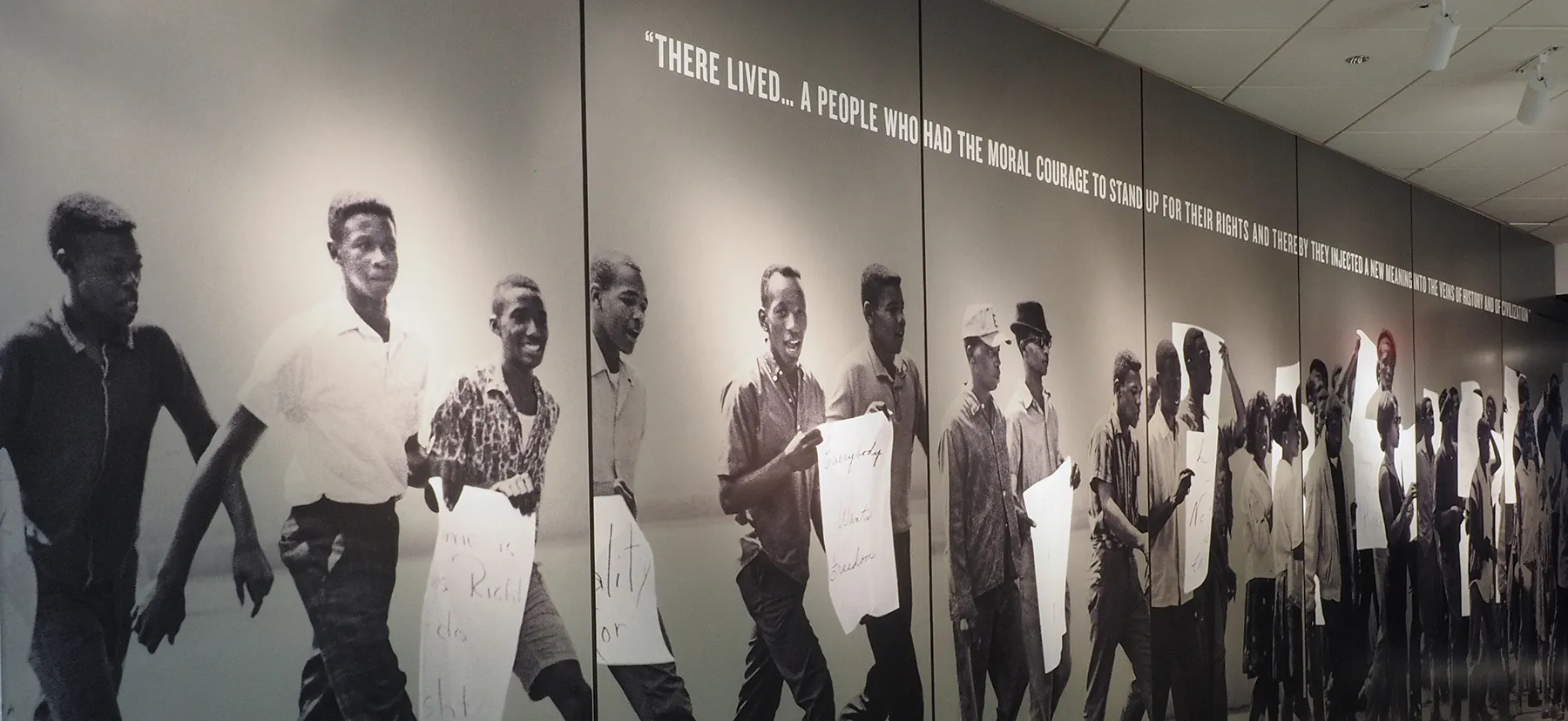
Dr. Martin Luther King Jr. and others must have known this day would come. Not this specific date, but this specific resistance.
In 1965, King led the march from Selma to Montgomery not as symbolism, but as a strategy. He understood that the ballot was the non-negotiable instrument of self-determination, the one tool that could convert moral authority into legislative power. The Voting Rights Act, signed that August, was the direct result of bloodshed on the Edmund Pettus Bridge. King did not stop there. By 1966, he was building what he called a “coalition of conscience,” registering voters across the South, training community organizers, and insisting that the movement’s next chapter had to be won at the precinct, not just the pulpit.
It worked. The 1966 midterm elections saw record Black voter turnout in the South, shifting the partisan landscape in ways that had seemed unimaginable just two years prior. Black voters in Alabama, Georgia, and Mississippi translated their newly protected franchise into city council seats, judgeships, and congressional representation. The act didn’t just protect a right — it restructured power.
What today’s Court has done is reopen the wound those voters bled to close 60 years ago.
The erosion did not begin today. It began in 2013, when Shelby County v. Holder struck down the VRA’s preclearance provisions. After falling for decades following the VRA’s enactment, the racial turnout gap began to increase again, especially in counties once covered by preclearance. Today’s Callais decision is not an outlier. It is the culmination.
But history also tells us what comes next.
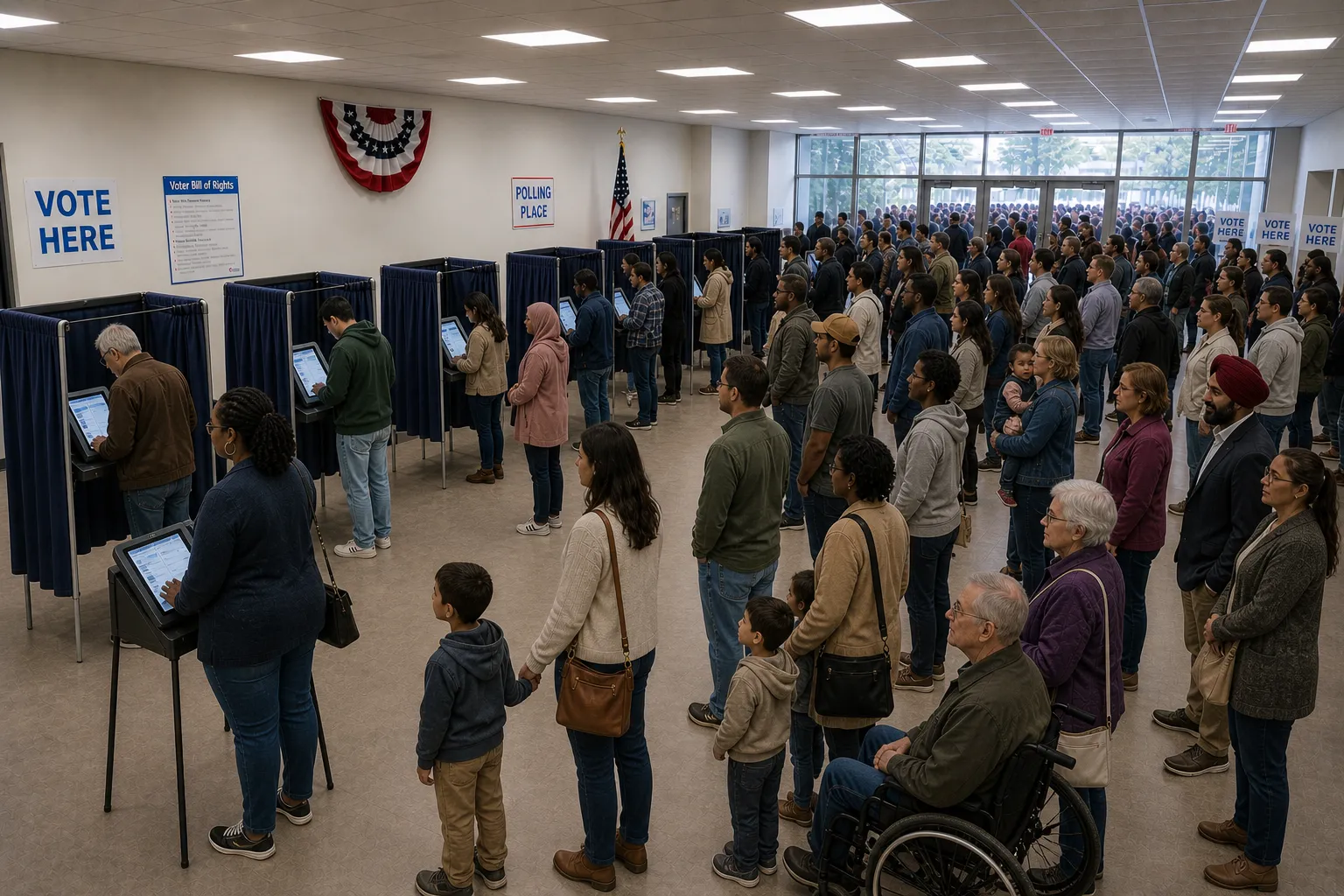
When the law retreats, the people must advance. The answer to a Court that picks voters over democracy is a movement that out-organizes the gerrymander. Voter registration drives. Civic education in every school, church, and barbershop. Ranked-choice advocacy. Turnout operations that make suppression irrelevant through sheer numbers. The 1966 model still works, not because it is nostalgic, but because it is true: when enfranchised citizens of every race, background, and ZIP code show up, the map changes.
Janai Nelson of the NAACP Legal Defense Fund said the decision would allow states to “discriminate with impunity.” She is right. But impunity is not immunity from organized, relentless civic participation.
Dr. King asked us, “Where do we go from here?” The answer, sixty years later, is the same: to the polls, to the precincts, to the people. The ballot remains the battlefield. And we have not yet lost the war.