National Civil Rights Museum Op-Ed as published in The Daily Memphian
Dr. Russ Wigginton, President
On June 19, 1865, a Union general arrived in Galveston, Texas, and read aloud four sentences that changed lives: the enslaved people of Texas were free. The Civil War was over. The Emancipation Proclamation had been law for two and a half years. Freedom had arrived late.
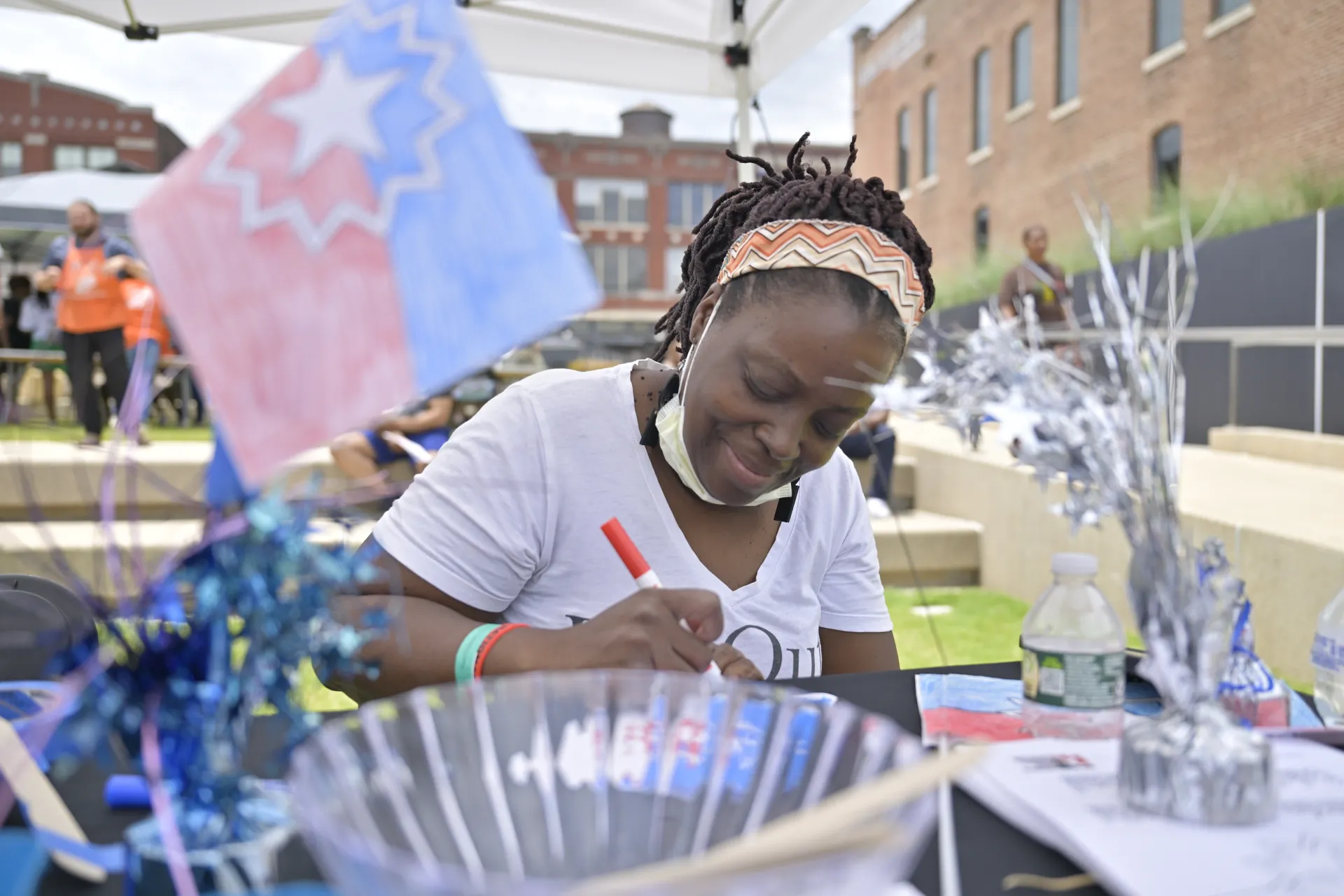
The significance of Juneteenth extends beyond being a Black American holiday. It is the day America’s oldest broken promise was finally, partially kept. And 161 years later, with the nation days away from celebrating its 250th birthday, the word “partially” still matters.
Frederick Douglass understood this before most when he stated, “The limits of tyrants are prescribed by the endurance of those whom they oppress.” When he sat privately with President Lincoln in 1863 and counseled him toward emancipation, he was not asking for charity. He was demanding that America’s founding documents mean what they said. Douglass pressed Lincoln to make the war about a comprehensive freedom with equal pay for Black soldiers, protection for Black prisoners of war, and a constitutional reckoning with slavery. Lincoln listened. History turned. But the work did not end.
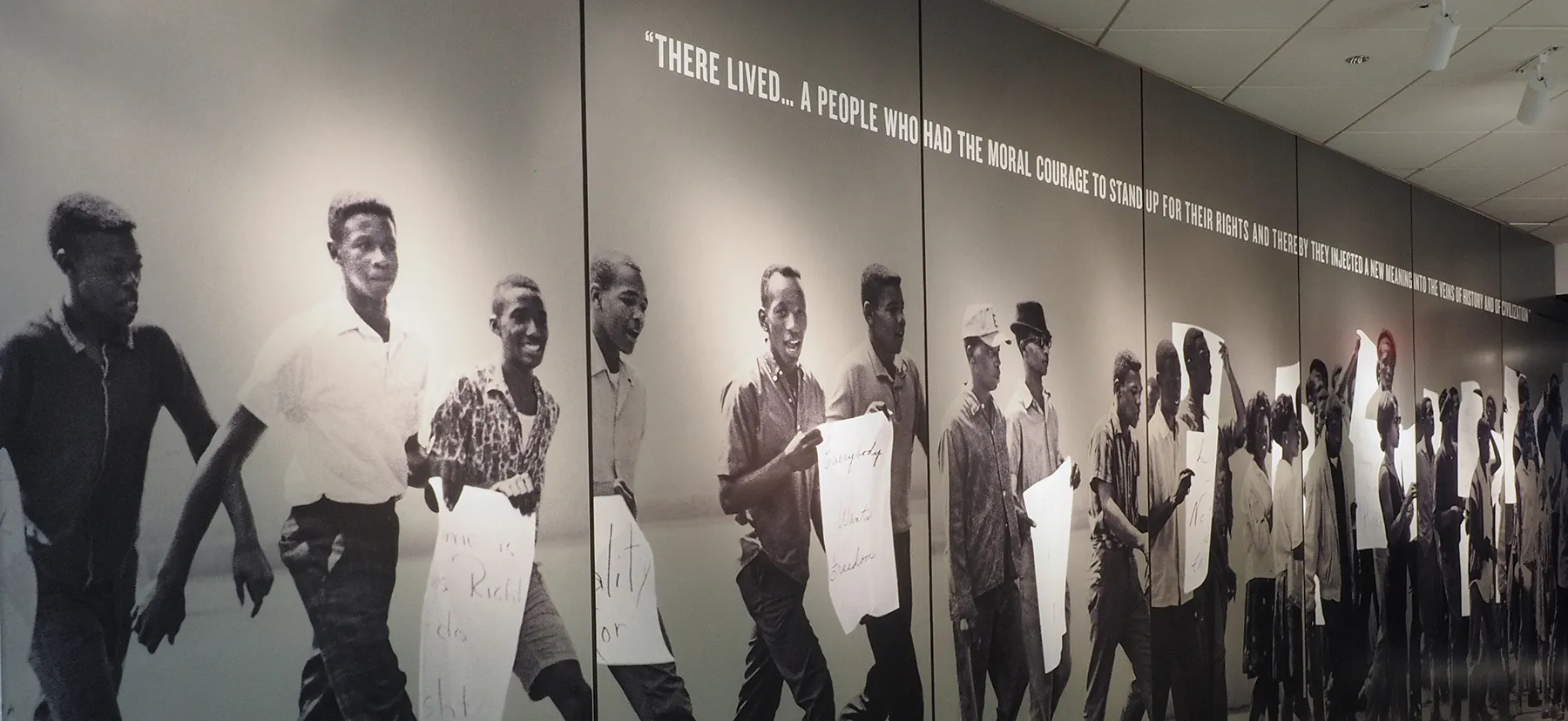
More than a century later, Dr. Martin Luther King Jr. was organizing the Poor People’s Campaign, a coalition of Black, white, Latino, and Indigenous poor Americans demanding that economic freedom be as real as legal freedom. Amid this work he was killed in Memphis in 1968. His message was simple and radical: you cannot fully exercise your rights as a citizen if you cannot afford to keep the lights on.
That message lands in 2026 with force. Millions of Americans across racial and geographic lines are working harder and falling further behind. Groceries, housing, medical care, childcare: the basic infrastructure of a stable life is out of reach for far too many families. This is not a partisan talking point. It is the lived arithmetic of American households.
Juneteenth teaches us that legal liberation and economic liberation are not the same thing. The freedpeople of 1865 were technically free but left without land, capital, or legal protection. The broken promise of “40 acres and a mule” was not a footnote. It was a fracture that runs through American life to this day. The parallel is not obscure: when people cannot afford to participate in the economy, they struggle to participate in democracy.
In Memphis, the National Civil Rights Museum stands at the Lorraine Motel, the site of Dr. King’s assassination, as a reminder that this story is not over. Its galleries do not offer nostalgia. They offer accountability. Every generation of Americans has faced a choice: expand freedom or contract it. The generations that chose expansion moved the country toward its stated ideals. The choice belongs to us now.
Juneteenth is a celebration. It is also an honest question: has freedom arrived for everyone yet? The answer should move us to act.