National Civil Rights Museum Op-Ed
Dr. Russ Wigginton, President
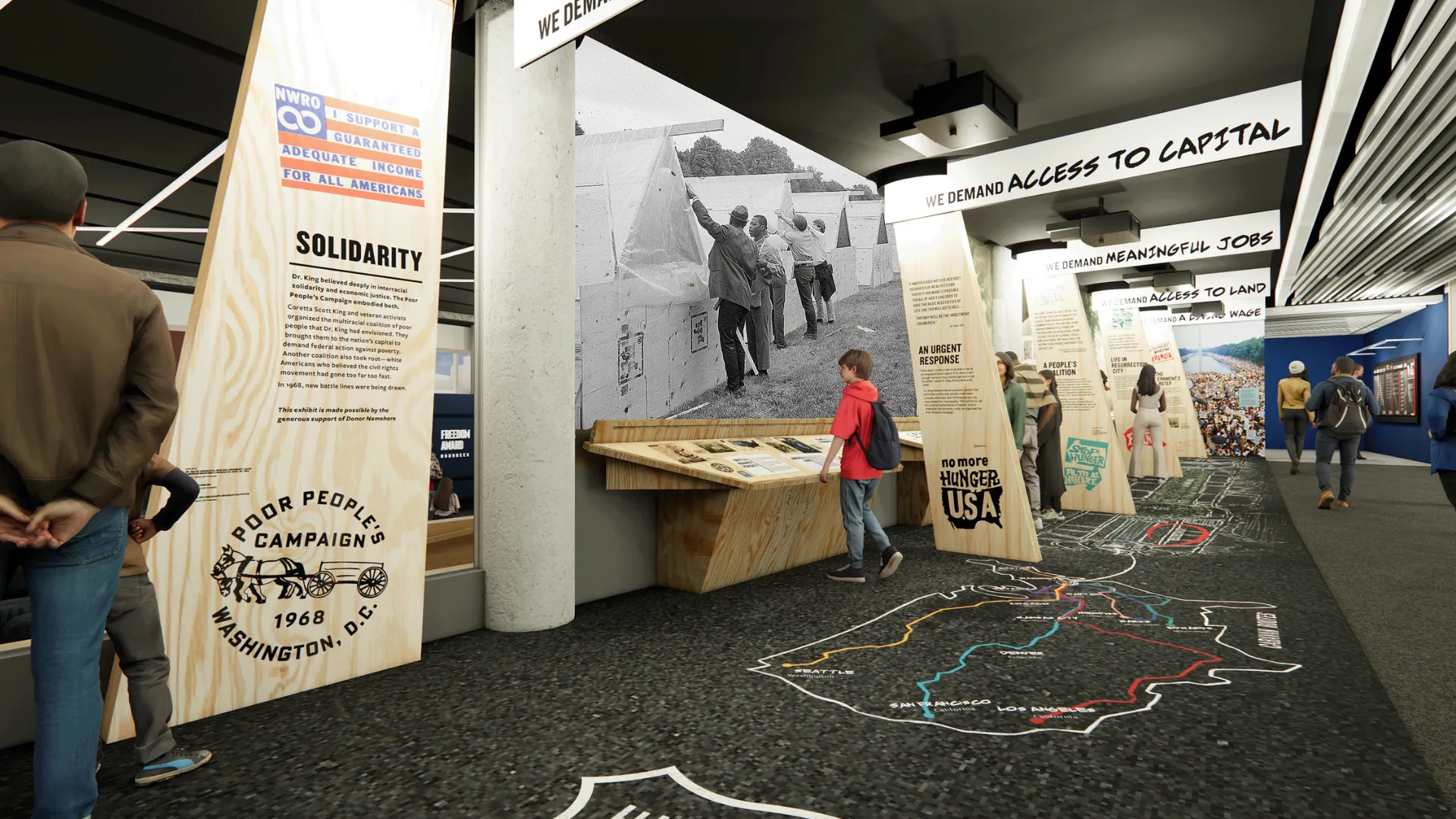

When the National Civil Rights Museum’s Legacy Building reopens in late spring 2026, it will do more than welcome guests into an updated facility. It will usher them into an urgent and immersive journey through the unfinished business of civil rights. What once served as the Lorraine Motel’s opposite façade now becomes the movement’s modern-day front line.
The new Legacy experience is deeply rooted in the final chapter of Dr. Martin Luther King Jr.’s mission, as laid out in his 1967 book Where Do We Go from Here: Chaos or Community? Through five powerful thematic galleries – poverty, education, housing, gender, and nonviolence – visitors are invited to explore the structural inequalities Dr. King warned of and how those injustices still shape American life.
What sets this relaunch apart is its rich and timely examination of civil and human rights movements since Dr. King’s assassination. The exhibitions delve into pivotal moments and strategies that shaped the decades following 1968—including the rise and resonance of the Poor People’s Campaign, both then and now. A dedicated gallery explores the investigations into King’s assassination, including newly uncovered documents and longstanding conspiracy theories that continue to raise critical questions about justice and accountability.
A movement timeline gallery charts the evolution of civil rights activism from the 1970s through today, emphasizing key events and leaders across the decades. The Freedom Award exhibit celebrates individuals who’ve made lasting contributions to social justice across contemporary issues with deep legacy connected to civil and human rights movements. Visitors will also encounter powerful multimedia narratives from movement makers on community grassroots organizing and policy change.
Interactive components throughout the building allow guests to reflect on their own values and experiences. Digital response kiosks and touchscreens prompt visitors to weigh in on present-day strategies and what change looks like in their communities. The Museum will also introduce new flexible gallery and classroom spaces for rapid-response exhibitions that react to unfolding events—from court rulings to protests, elections, and new civil rights milestones—ensuring The Legacy experience remains not only relevant, but resonant in real time.
Visitors won’t just learn—they’ll be moved to act. Digital displays guide guests toward petitions, organizing networks, local service opportunities, and public policy campaigns. The exhibit experience ends with hope as a discipline inspiring one question: What will you do next?
Cross-generational storytelling is also central. The testimonials from leaders uplift contemporary changemakers, while youth-designed installations connect young voices to timeless truths.
In short, this is not a museum frozen in time. It’s a dynamic platform designed to inspire reflection and action in every guest who walks through its doors. For those who care about justice—not just as history, but as a living mandate—The Legacy Experience is the new place to begin.