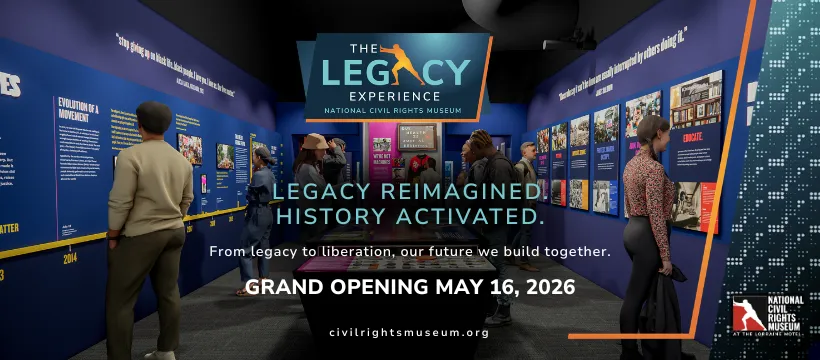
Legacy Reimagined. History Activated.
The Legacy galleries cover the last 50 years, the movements your grandparents joined, the setbacks your parents lived through, the questions your generation is answering right now. Poverty. Education. Housing. Gender equity. Nonviolence. These are not exhibits about the past. They are exhibits about right now, rendered with the depth and honesty the moment demands.
The newly expanded and reimagined Legacy Experience welcomes you into a transformative exploration of civil rights history from Dr. Martin Luther King Jr.’s assassination in 1968 to the present day. Housed in the Museum’s Legacy Building, the expanded exhibitions illuminate the movement’s evolution over the past five decades, examining pivotal moments, strategies, and grassroots organizing that followed 1968 and continue to shape struggles for justice today. Through deep storytelling, newly interpreted historical evidence, and dynamic multimedia, The Legacy Experience invites you to discover how ordinary people become extraordinary agents of change.
The renovated space offers interactive digital galleries and features new areas dedicated to education, including flexible classrooms, changing galleries designed for rapid-response exhibitions that address real-time developments in civil rights and democracy. You can also enjoy interactive engagement spaces where visitors share their own perspectives on today’s movements and strategies for positive social change. A dedicated exhibit space showcases timely topics on current events and ongoing programming, providing valuable educational opportunities and historical context for all visitors.
The issues at the heart of the Civil Rights Movement—economic opportunity, education, housing, justice, and equality—remain part of everyday life. The Legacy Experience invites you to explore these connections with honesty and depth.
You won’t just learn what happened. You’ll understand why it matters. You’ll see how it continues. You’ll leave thinking differently about your place in the story.
Be among the first to experience something this country has needed for a long time: a museum that doesn’t ask you to watch the civil rights movement from a safe distance, but to find yourself inside it. The Legacy Experience reopens May 16. All are welcome.
The Legacy Exhibit Galleries
-
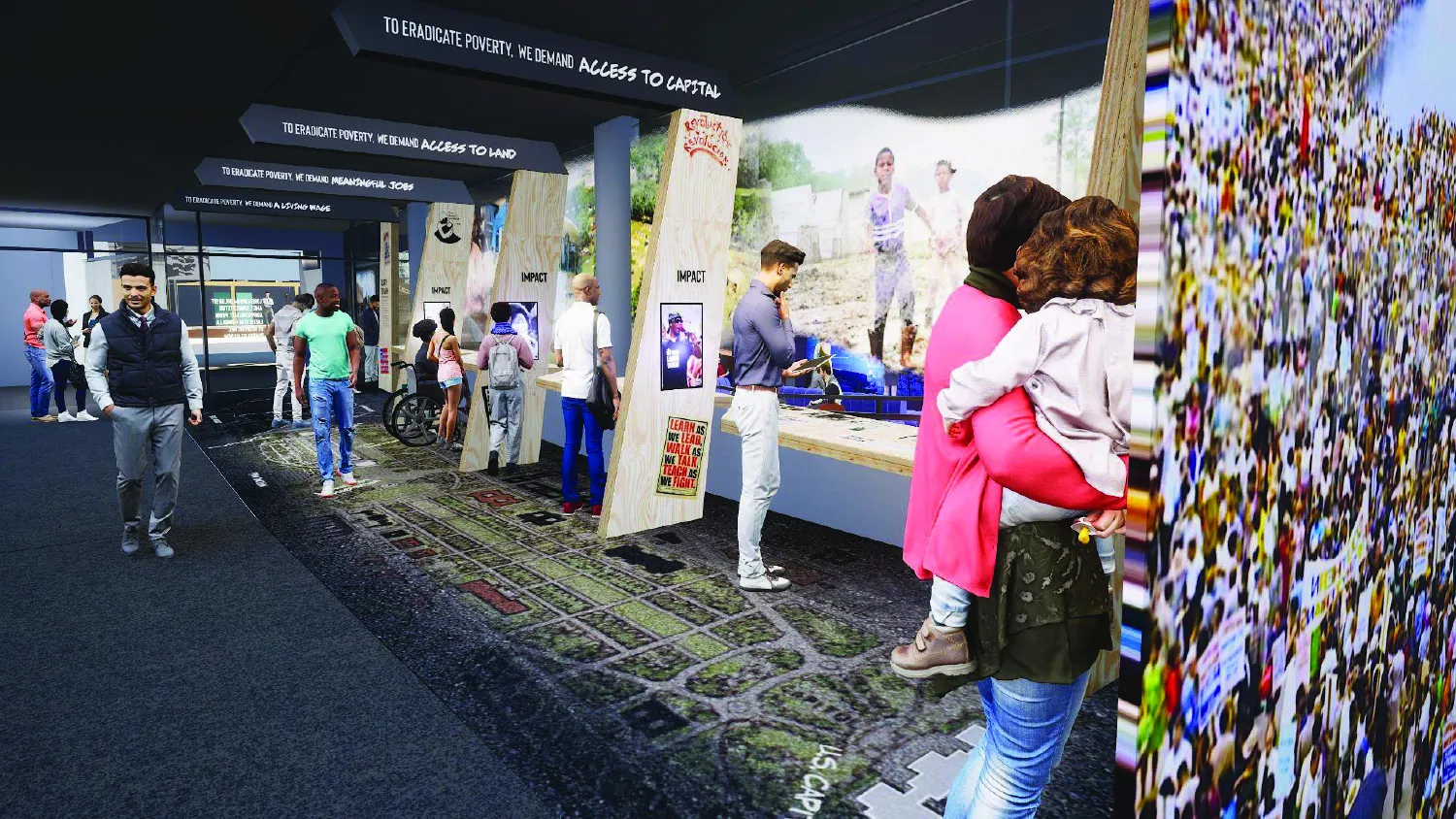
The Poor People's Campaign, Then and Now
LEARN MORE -
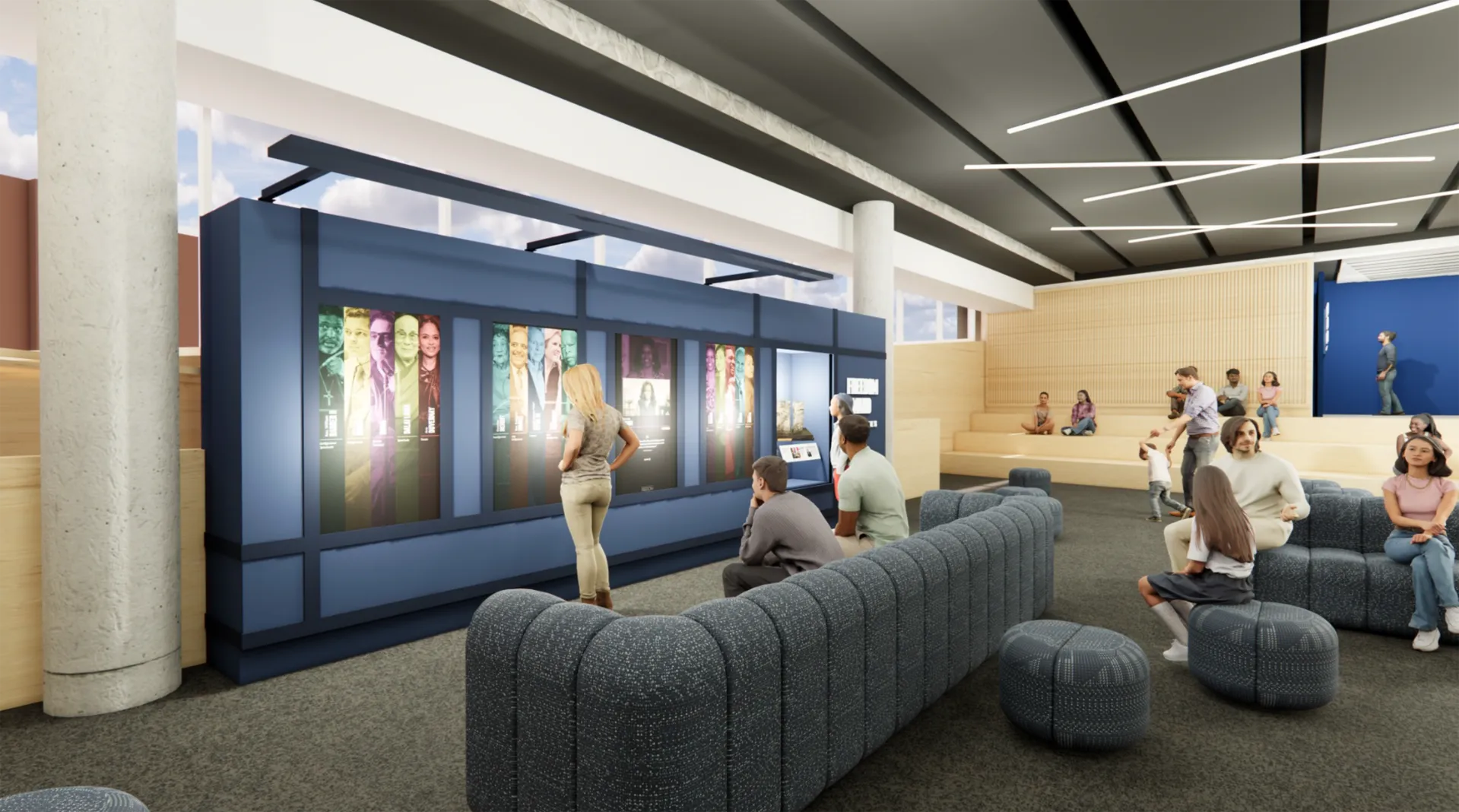
Freedom Award Gallery
LEARN MORE -
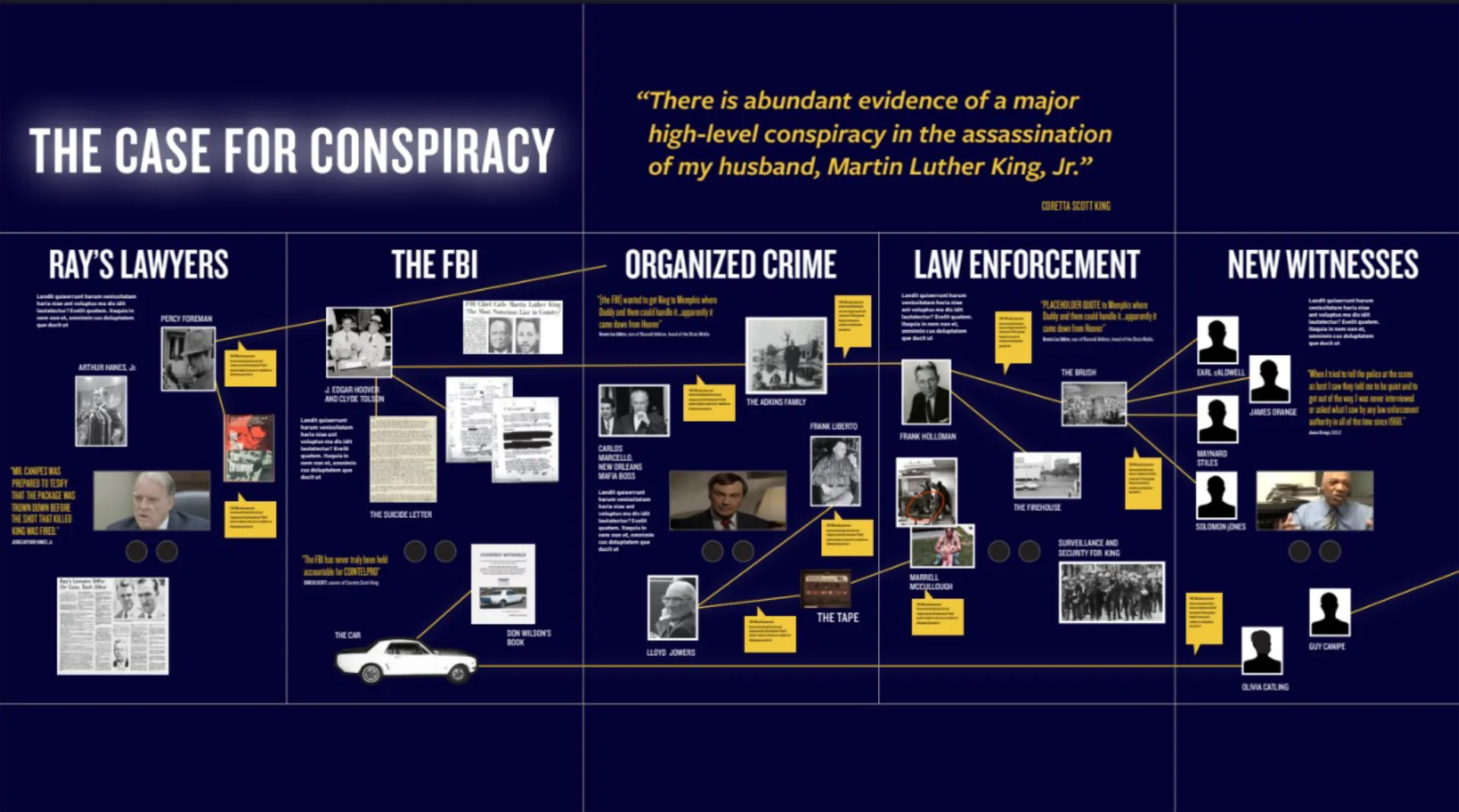
Assassination & Aftermath
LEARN MORE -
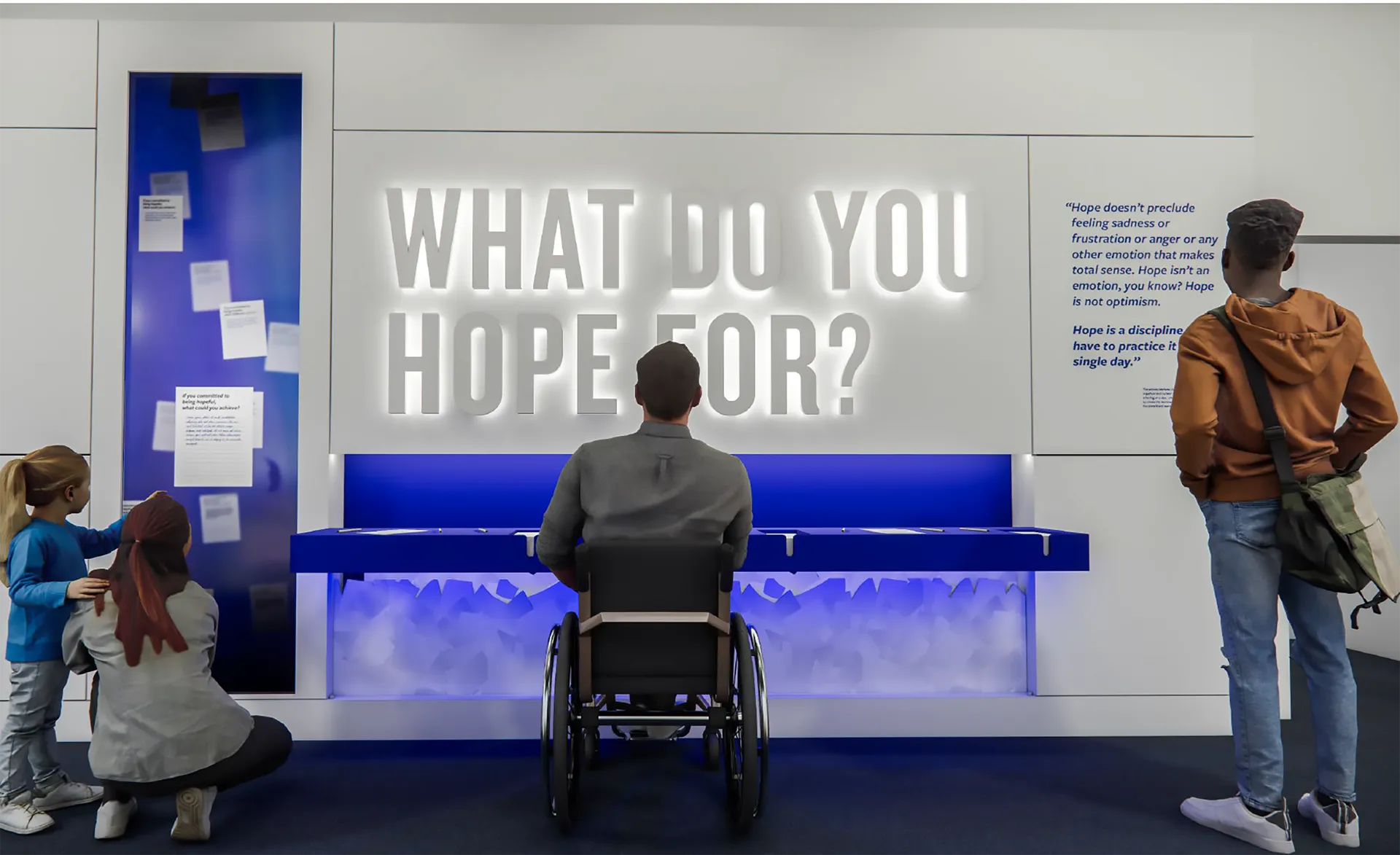
Hope Is a Discipline
LEARN MORE
-
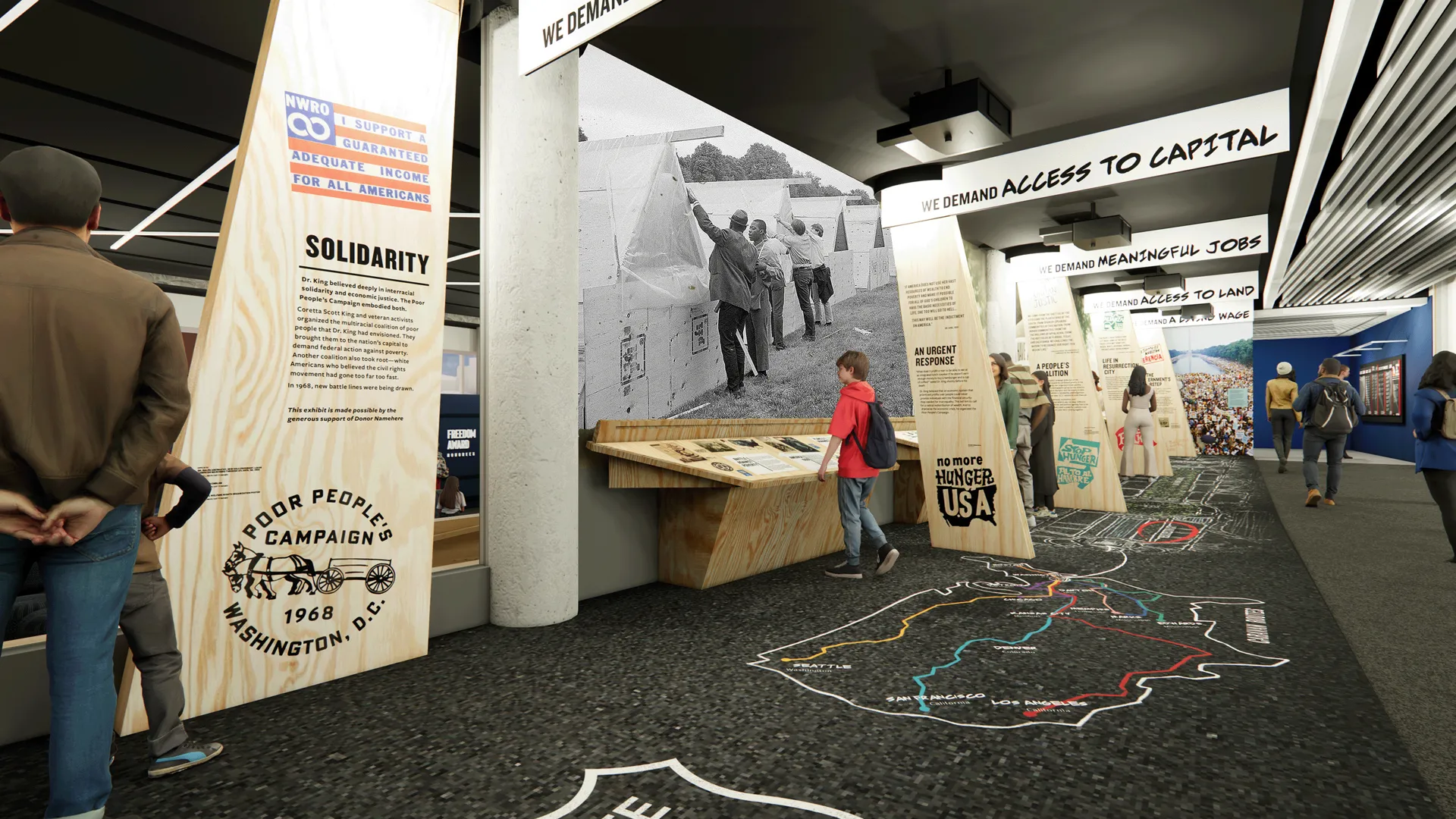
Movements: 1968 to Now
LEARN MORE -
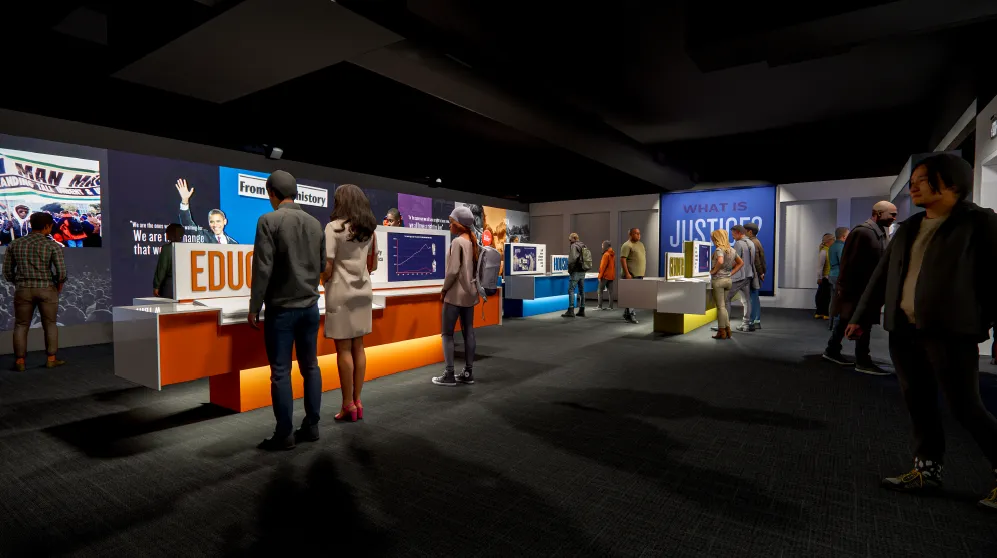
Pillars of Justice
LEARN MORE -
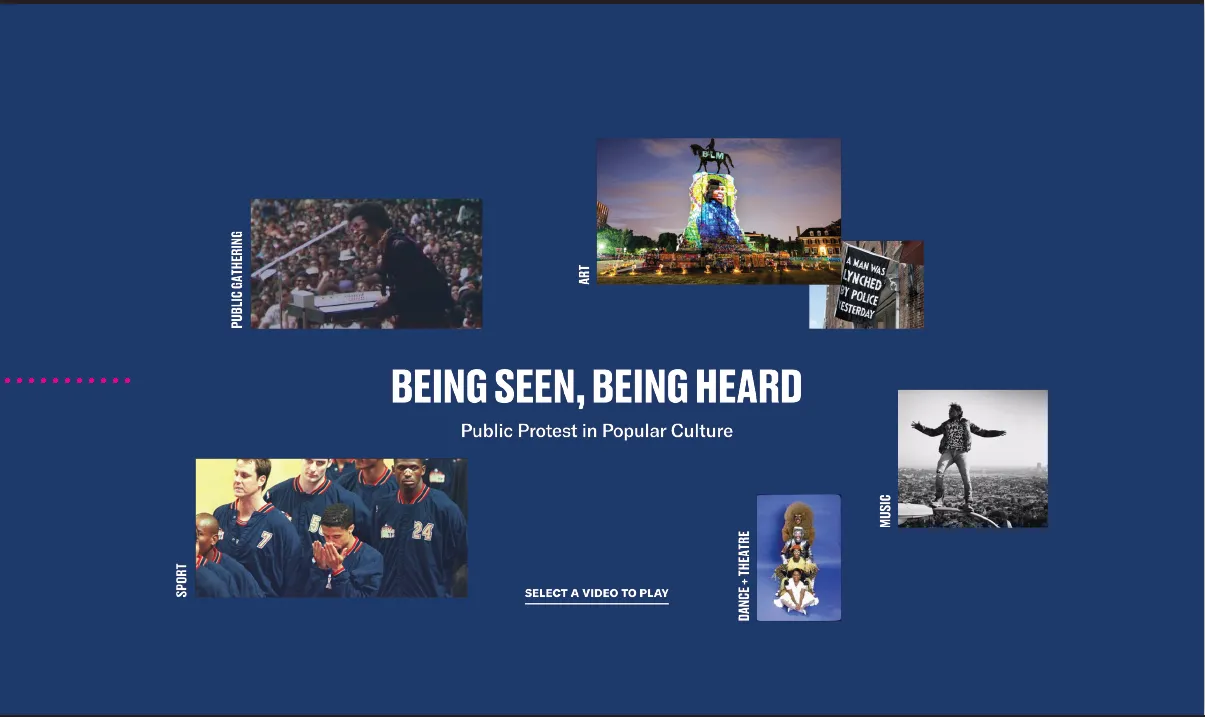
Making Change
LEARN MORE -
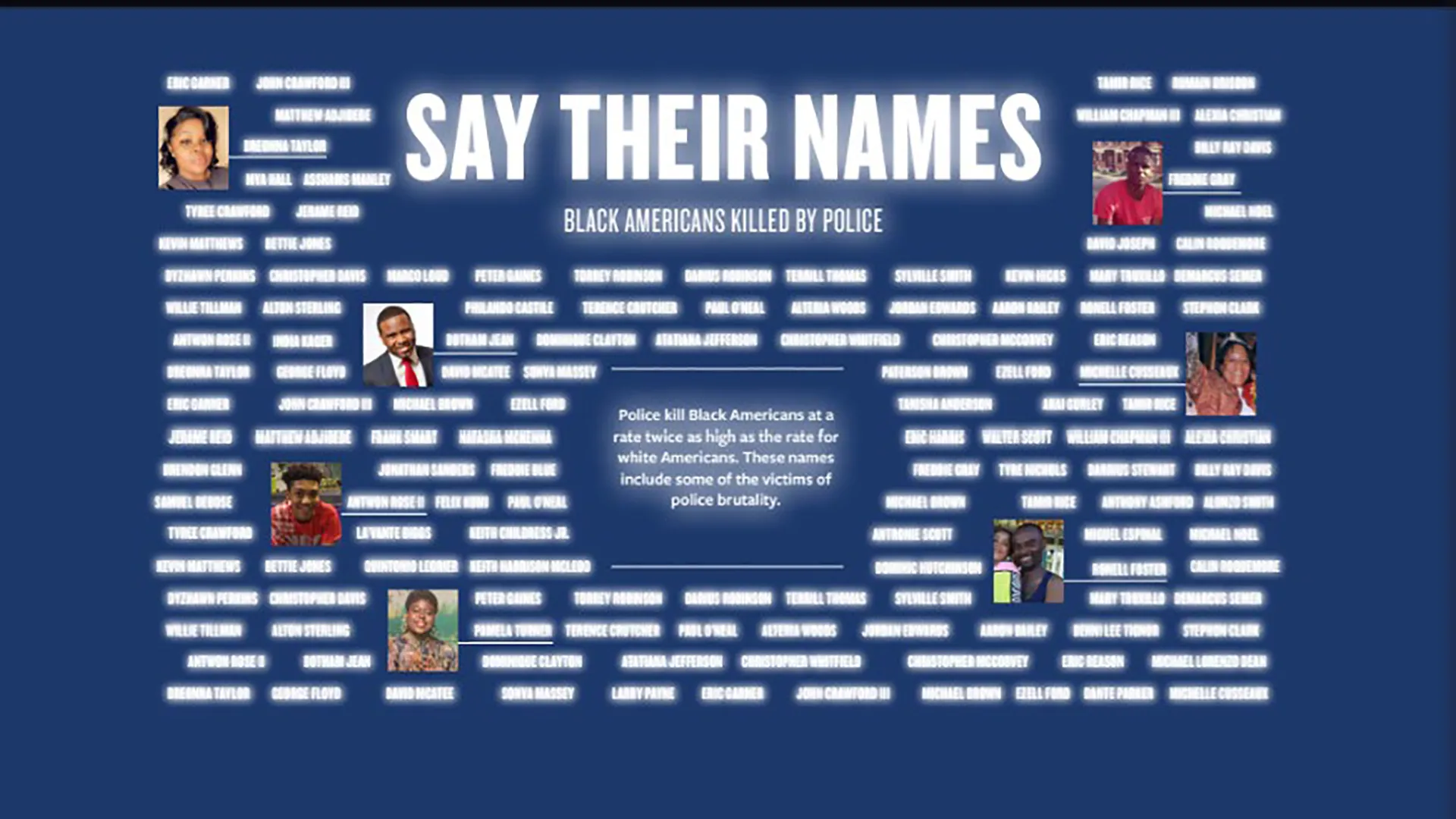
Say Their Names
LEARN MORE
The Legacy Contributors Acknowledgments
Thank you to all our donors, scholars, collection contributors, contractors, designers, fabricators, vendors, and friends who helped to make The Legacy Experience possible. With your support, we are excited to inspire a new generation of change makers.
Our Stories, Our Museum
The story of the Civil Rights Movement is made up of countless personal experiences, memories, and voices that continue to shape our world today. Through Our Stories, Our Museum, the National Civil Rights Museum invites visitors and supporters everywhere to share their reflections through video, photo, or written submissions as part of a growing community archive connected to the Legacy Experience. Click below to share your story and become part of the legacy.
Saturday, May 16, 2026 10:00 AM – 5:00 PM
Join us a full day of energy, music, and hands-on discovery designed to move every visitor. From interactive moments to live performances, the experience extends far beyond the new Legacy Experience inside the Museum, creating space to explore, reflect, and engage.
For one day only, guests can experience it all for just $15, a 40% savings off adult admission of $25, which takes effect May 17. Opening day tickets are available now at visit.civilrightsmuseum.org, making May 16 the perfect moment to take in both the newly reimagined Legacy Experience and the historic Lorraine Motel exhibitions together under one discounted rate.
Recommended: Purchase your tickets online in advance.
Online ticket holders enjoy the flexibility to enter either building first upon arrival.
Touring The Legacy Building First?
You are required to purchase your tickets online to enter The Legacy Building first.
Highlights include:
• A ribbon-cutting ceremony marking the official reopening
• Live music and cultural performances throughout the day
• Family-friendly activities and interactive experiences
• Launch of the summer community story-sharing through the “Our Stories. Our Museum” activation.
Get your tickets below.
Made Possible with the Support of: